Packaging conveying roller
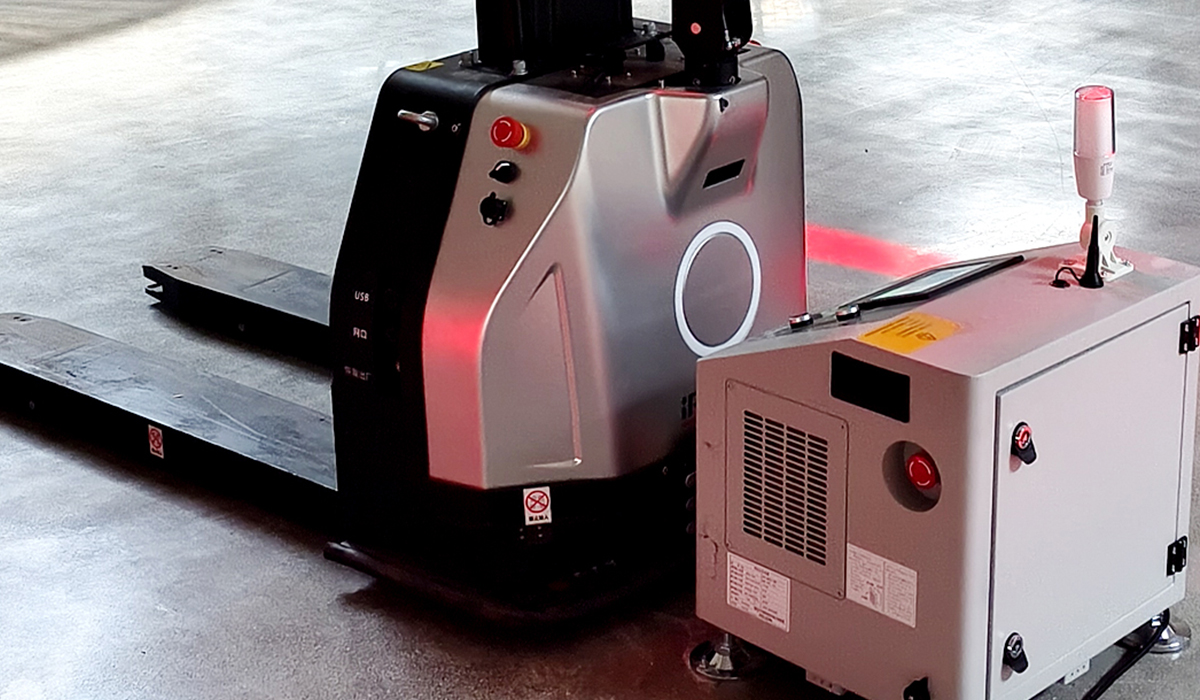
Unit Loading AGV For Warehouse Material Handling
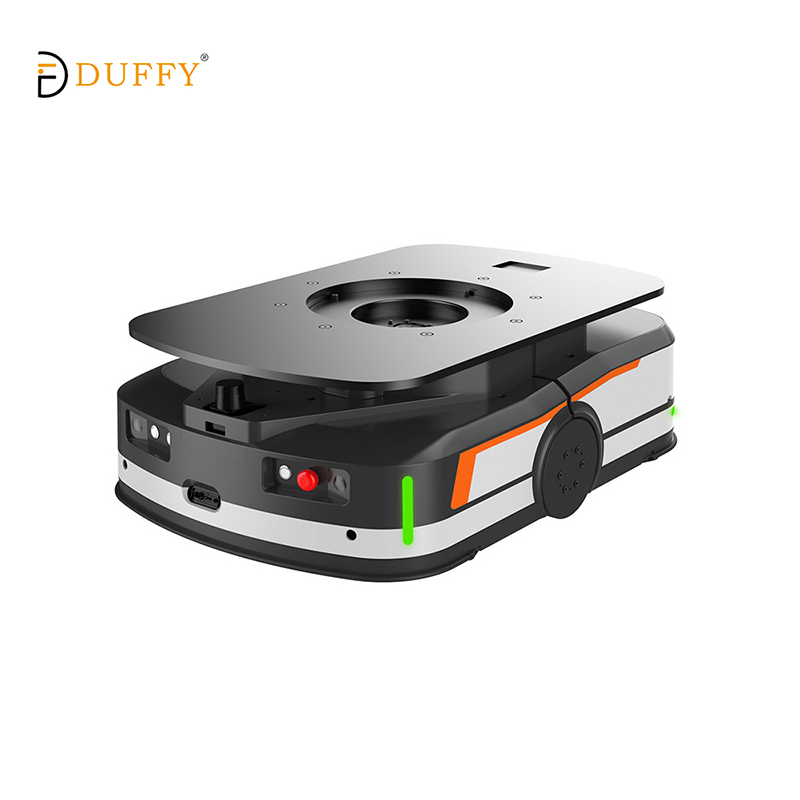
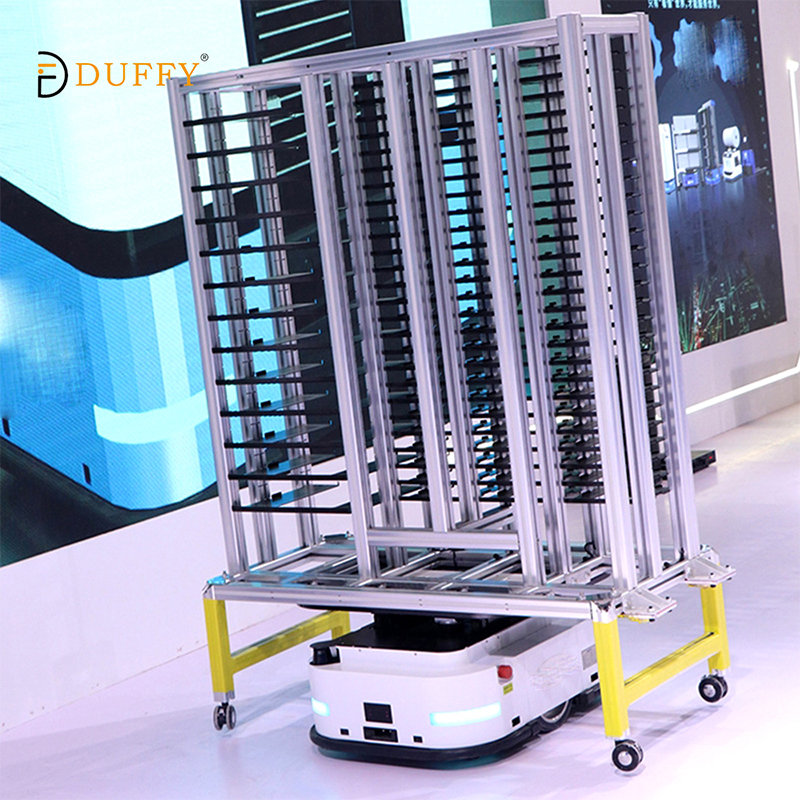
The UL-AGV800 Unit Load Underride AGV, designed by Duffy Machinery, is the future of pallet transportation in warehouses. With a powerful 800kg payload capacity and an advanced SLAM navigation system, the robot can operate without magnetic strips or reflectors and is therefore capable of working even in the most complicated industrial layouts. Its well-known feature of driving underneath the load makes it able to pass under racks or pallets and, thanks to a synchronized lifting mechanism, it can make the most of the vertical space, and turnaround times are slashed. A 360-degree multi-layer laser scanning system that provides fail-safe detection of obstacles and human-machine collaboration is a piece of equipment that this robot has to prioritize safety. After a quick charge, a lithium battery with a lot of power, and a smart fleet system, the UL-AGV800 does not have many problems when it comes to adapting to WMS or ERP platforms. This means that it can be a 24/7 autonomous material handling system that maximizes throughput and decreases operational costs.
Key Features & Advantages
Enhanced Space Management
Non-Stop Production Capability
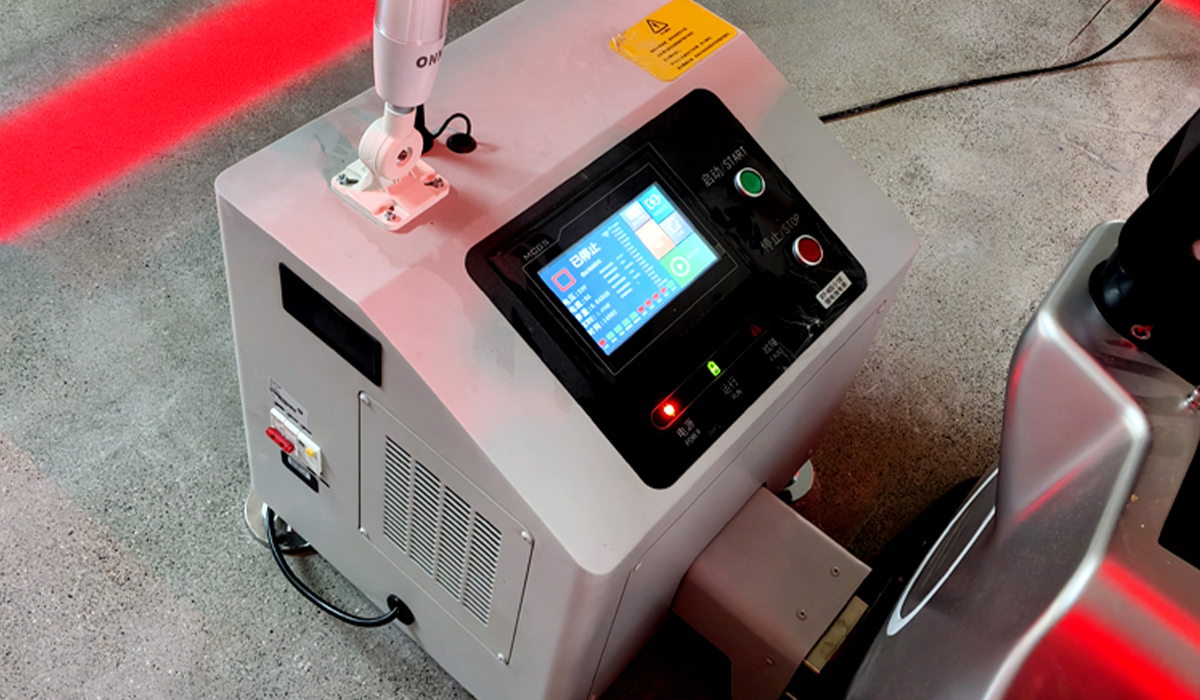
With proper usage of energy being a major factor in the design of this product, the system is capable of supporting 24/7 operations without any drop in performance. With the options of carrying out "opportunity charging" when there is a short break or just simply coming back to the station automatically at a low task level, long periods without charging are avoided and material flow remains uninterrupted throughout all shifts.
Safety in Multiple Layers
The 360-degree multi-layer laser scanning system that the UL-AGV800 is equipped with turns safety into the most important aspect of the machine. The dynamic safety perimeter that this advanced feature comes up with can recognize in real-time human beings, equipments, and even cargos that are not properly placed. Setting up of slowdown and emergency stop zones is feasible and such operations happen with utmost reliability even when humans and machines are working together. This fact alone leads to drastically less accidents at work.
Heavy-Duty Material Load:
Factory Introduction
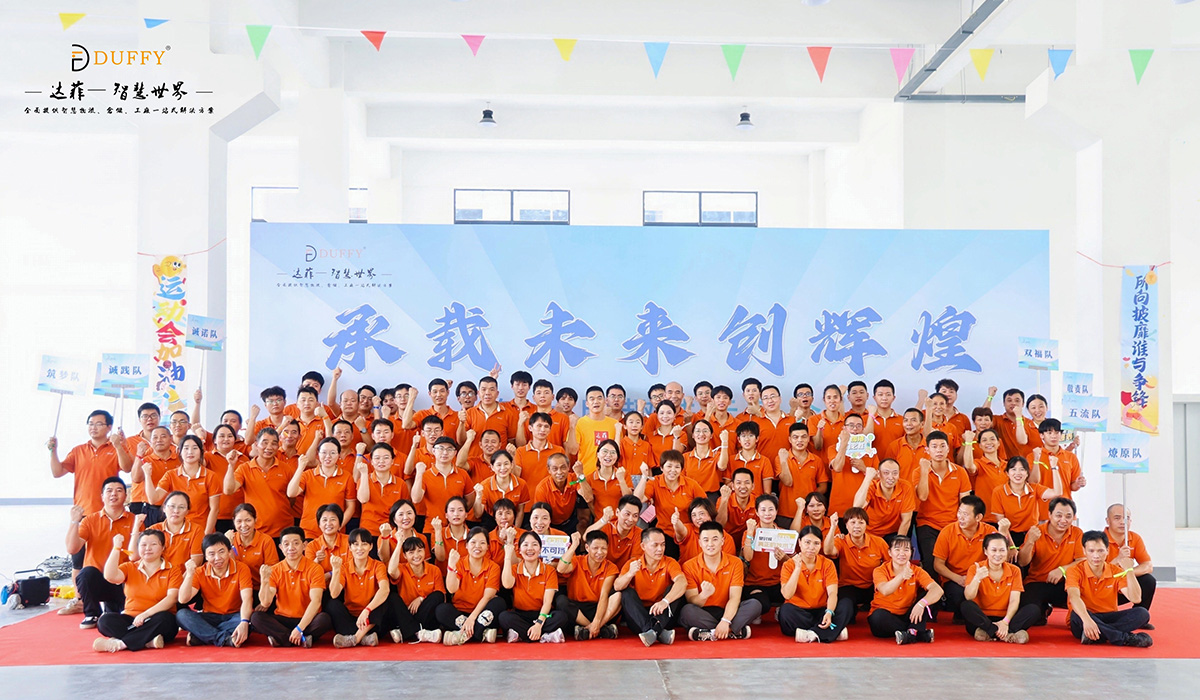
Optimize your warehouse and distribution efficiency with tailored intelligent logistics solutions from Duffy Machinery, a leading material handling specialist based in Fujian, China.Since our establishment in 2007, we have spent more than 10 years refining intelligent operational systems, with our core team offering 14 years of professional manufacturing experience for each customized project.
With a 35,000㎡ factory and 100+ skilled staff, Our factory is capable of producing 73,000 meters of roller conveyor lines and 2,000 incline conveyors annually; with a total of seven complete production lines, we ensure stable production and on-time delivery. We have obtained over 40 professional certifications and patents, including ISO9001, CE, EACC and national high-tech enterprise certification, which fully demonstrate our quality strength. Our solutions are widely recognized by global customers in the Middle East, South America, North America, Southeast Asia and other regions, supported by comprehensive after-sales service to ensure stable and efficient operation.
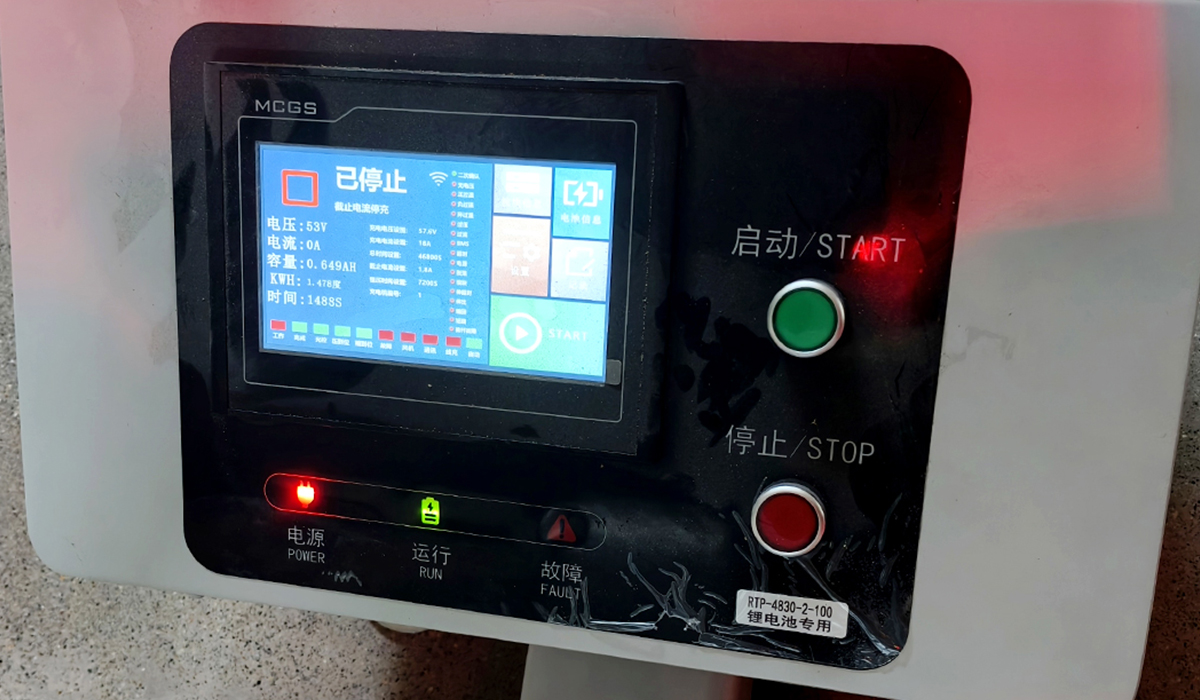
Factory Certificate
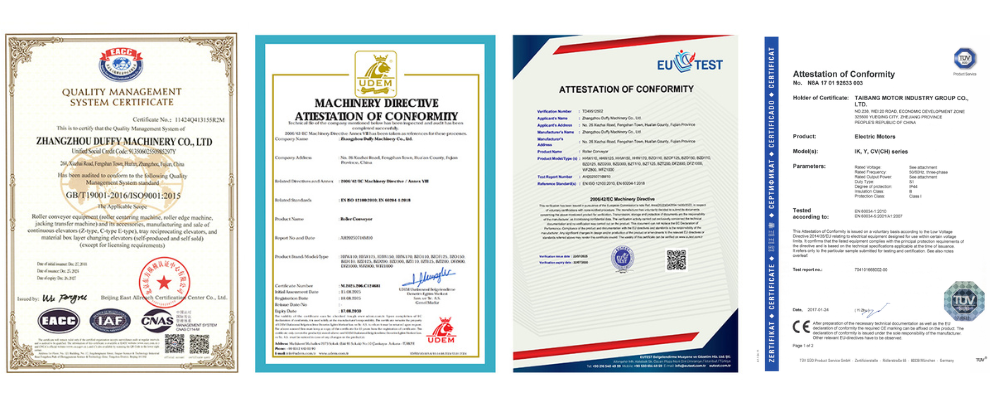
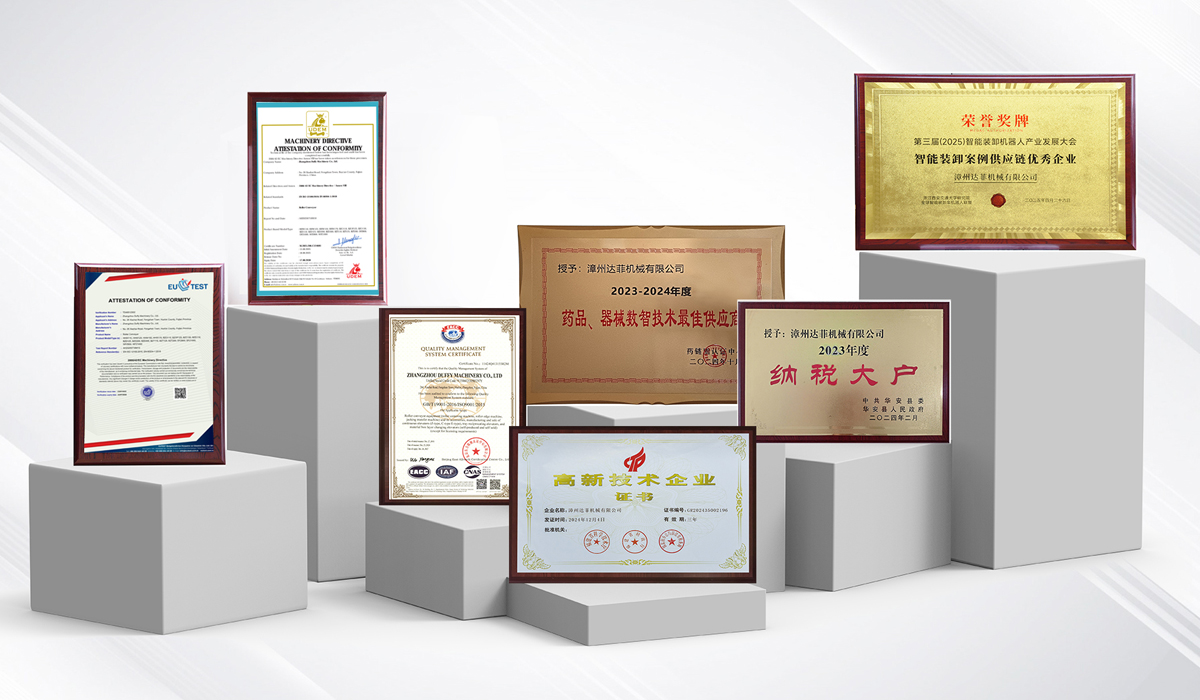
We're not just about providing top-notch hardware - we're about giving you complete peace of mind. With 42 prestigious industry certifications like ISO9001, CE, and EACC.
Customer concerns (FAQ)
Q1: What kind of navigation system does the UL-AGV800 operate on? Do I need to set up floor markers?
A: Our UL-AGV800 is equipped with a sophisticated SLAM (Simultaneous Localization and Mapping) navigation system. Using LiDAR, the robot identifies the features in the environment without the need for
magnetic strips, reflectors, or QR codes. The main advantage is that you can go live quickly and if at any point the layout of your warehouse changes, you can easily reconfigure the path.
Q2: Tell me about the maximum payload and the types of racks it can carry.
A: As a default, the unit is designed to carry up to 800kg. Its design underneath allows it to work with different standard pallet racks, mobile shelves, and even custom-made trolleys. If the clearance at the bottom of a rack is more than the AGV’s collapsed height, then it can go under the rack and automatically lift the load.
Q3: Is working with humans and robots in the same environment a safety concern?
A: Certainly not. The AGV comes with a 360° multi-layer safety laser scanner as well as physical anti-collision bumpers. On detection of people or obstacles, it unhesitatingly slows down or stops in an emergency and if it ever gets too close to a human, the system emits both visual and auditory signals in order to ensure the safety of everyone who is sharing the workspace.
Q4: What do you mean by battery life? Is it capable of autonomous charging?
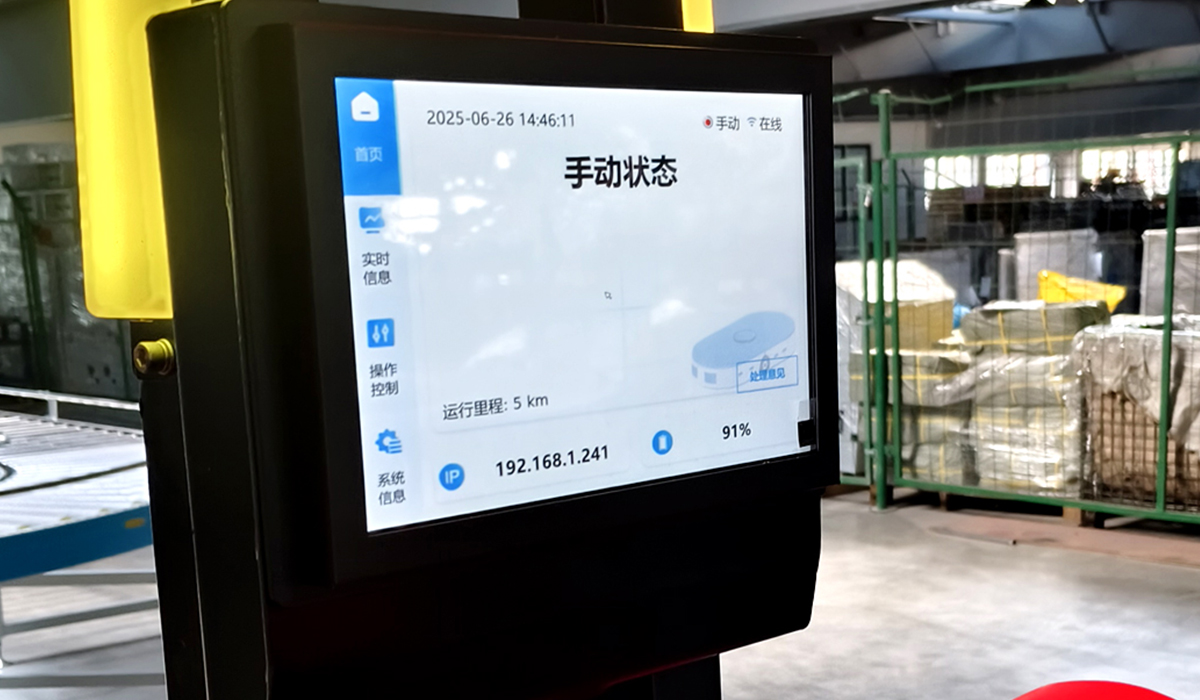
A: With the lithium batteries of large capacity, programs of multiple shifts can be planned. The AGV comes with autonomous "auto-homing" charging meaning when the battery is low or the robot is idle, it will moonwalk to its charging station. Thanks to fast-charging technology, a 15–20 minute top-up will give workers several hours of high-intensity activity.
Q5: How to link the AGV with my present WMS or ERP systems?
A: The UL-AGV800 is overseen by an intelligent fleet system offering standard API interfaces. It can smoothly integrate with your existing Warehouse Management System (WMS) or ERP for automated task dispatching, real-time inventory tracking, and dynamic location updates.
Q6: What kind of floor does the AGV need?
A: Although SLAM navigation doesn’t mandate floor markings, a smooth surface is always best for accuracy and long mechanical life. The floor flatness in the work area should ideally be within ±5mm/2m. The AGV will work well on epoxy, hardened concrete, and other commonly used indoor industrial flooring materials.
Q7: If there are several AGVs will there be a "traffic jam" in one spot?
A: It is not possible. We have developed an intelligent traffic management system that can easily control a large number of AGVs. Each AGV is given a route that has been planned by the system, with the management of intersection priorities, one-way lane control, and task queuing in order to maintain the running of the entire fleet fluidly and in sync.
Q8: How much time does installation and commissioning take?
A: The fact that it doesn't need to follow any tracks allows for extremely fast implementation right at the site. Basic calibration of just a single unit takes a couple of days. Complete system deployment, including environment mapping and software integration, can usually be done within 2-4 weeks and geared to production.