Packaging conveying roller
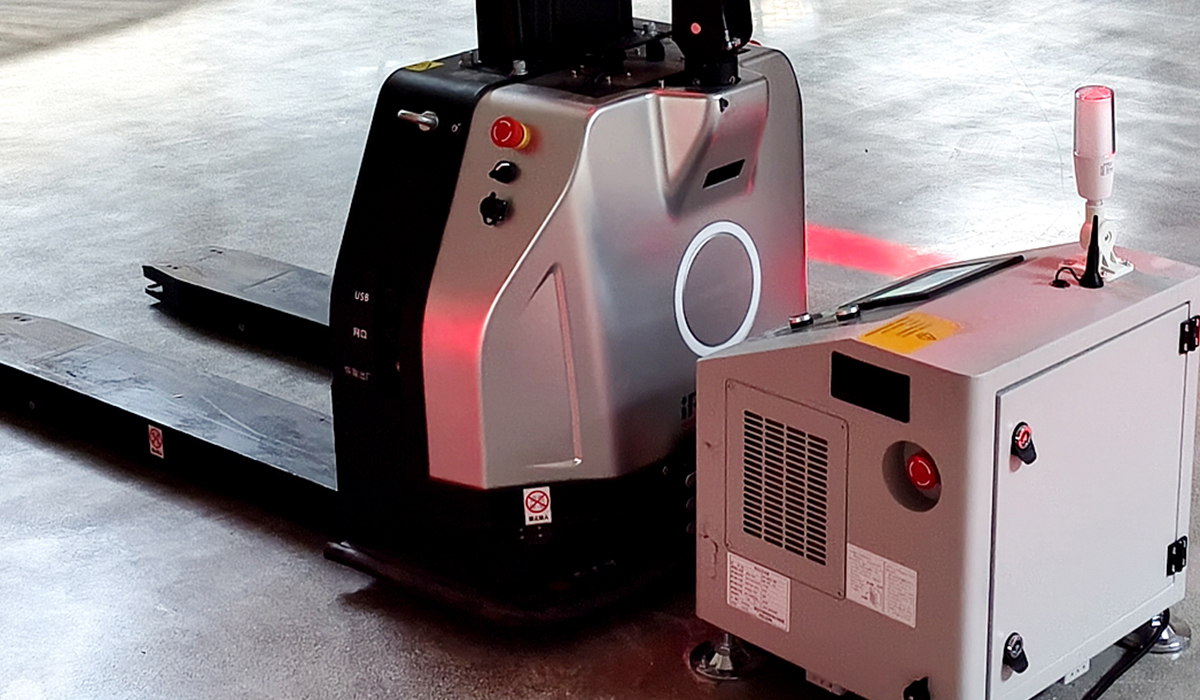
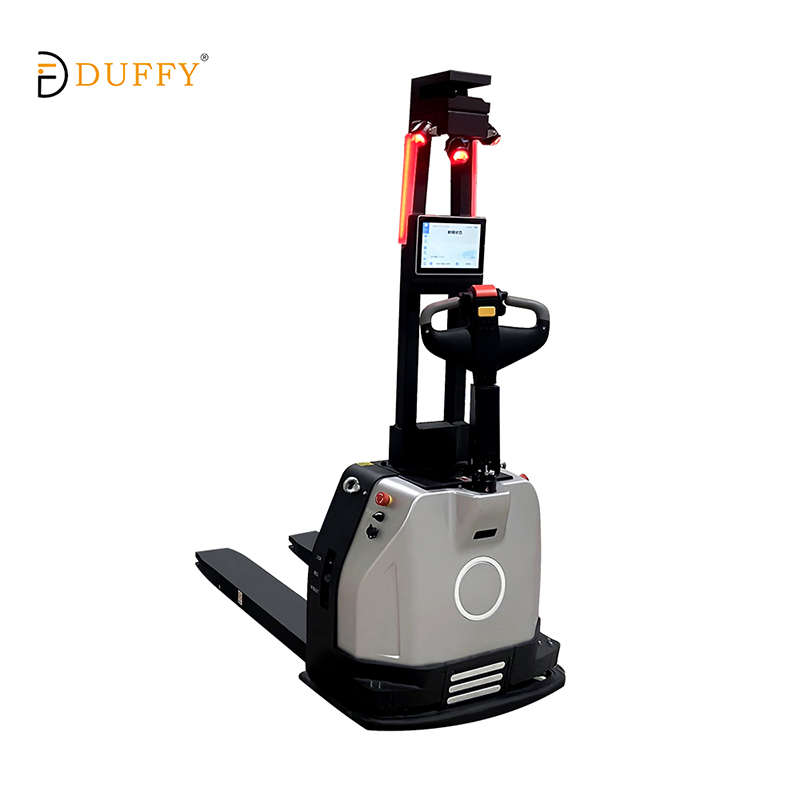
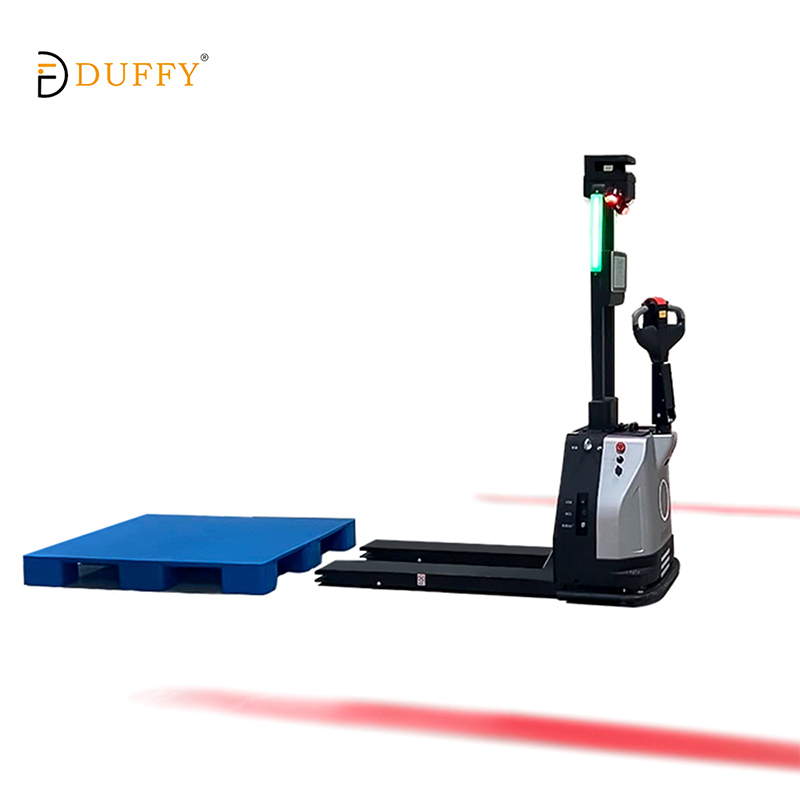
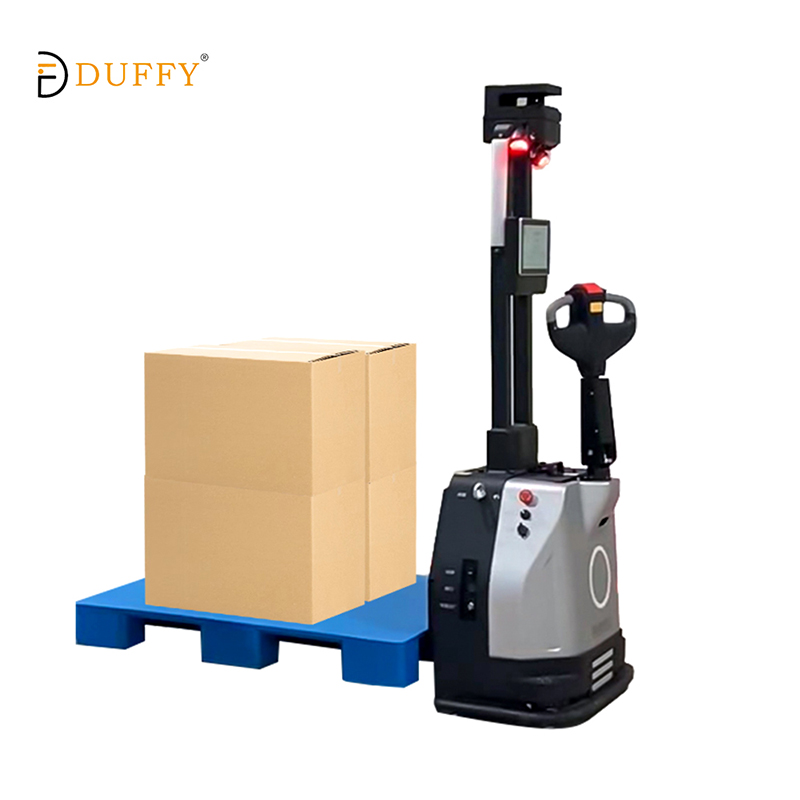
Automated Guided Forklift Agv Reach Truck
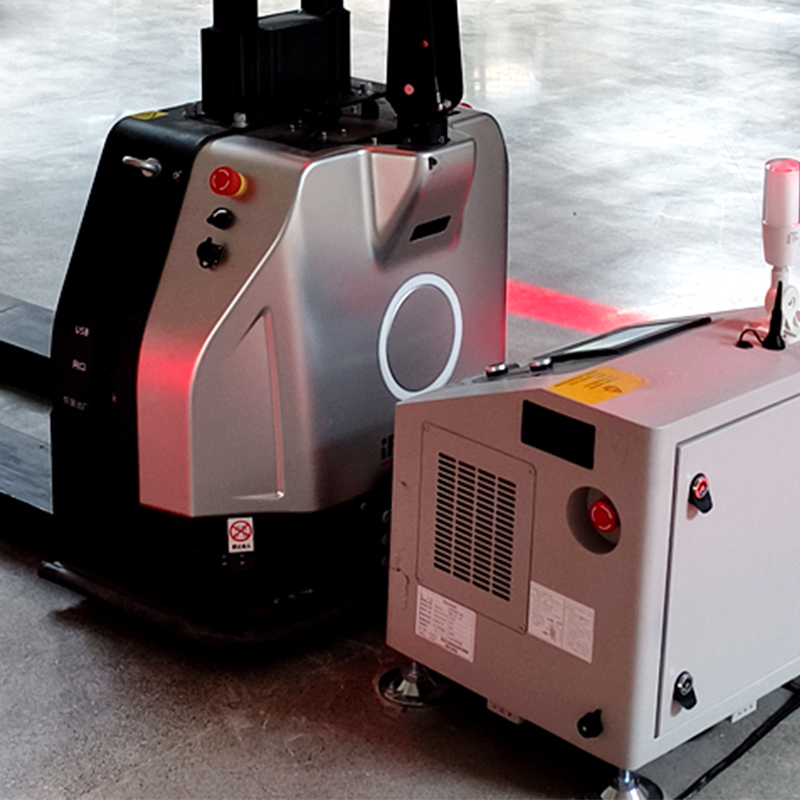
One of the most innovative features of the AGR-500 Automated Reach Truck AGV is the perfect vertical storage solution. It acts as a link between autonomous transport and high-bay racking operations. The incorporation of advanced SLAM natural navigation with a precisely-operated telescoping mast enables the AGR-500 to perform pallet handling unobtrusively and automatically in narrow aisles up to heights that standard AGVs can only dream of. With 360° safety laser scanning and smart load-sensing technology, it provides safe and highly accurate picking and placing, almost down to the millimeter. This leads to warehouses being able to use their storage space more effectively and having a continuous operation by automating complicated high-level material flows with an industrial-grade reliability.
Key Features & Advantages
Space Optimization
Operational Efficiency
Capable of running day and night without the need of operators, this robotic forklift AGV makes the problems of shift changes and downtimes a thing of the past. Its autonomous "opportunity charging" and intelligent scheduling of tasks allow uninterrupted flow of material, while ensuring high-bay storage as well as retrieval cycles can stay productive 24/7.
Safety Assurance
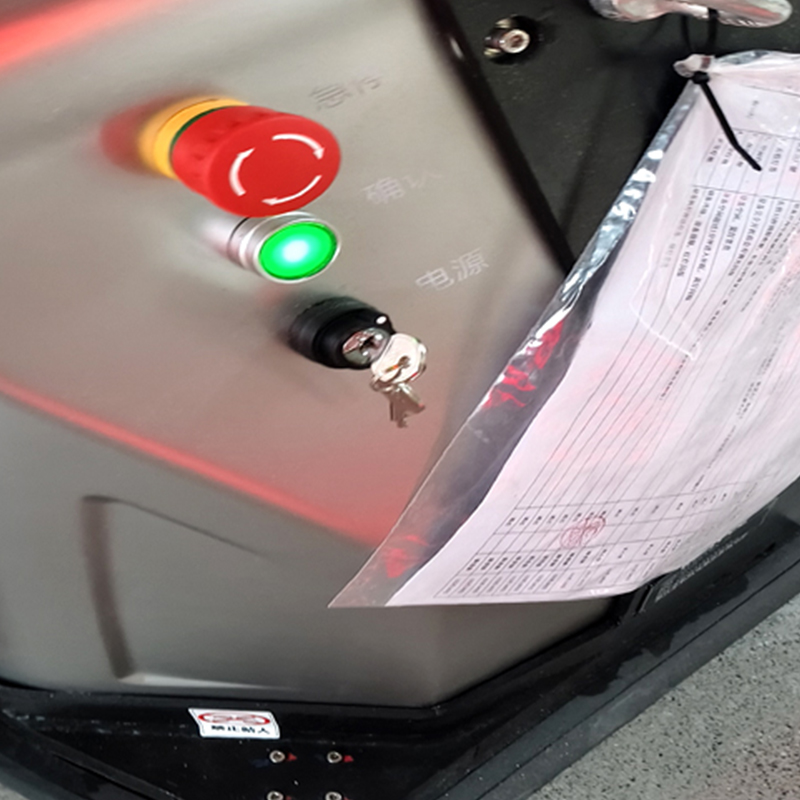
Keeping safety foremost, AGR-500 comprises of a 360-degree multi-layer safety package. Laser scanners, ultrasonic sensors, and emergency-stop bumpers act as integrated components. AGV can autonomously recognize people, equipment, and overhead objects in real-time thanks to these features, thus ensuring safe and effective human-machine collaboration in shared aisles.
Precision Handling
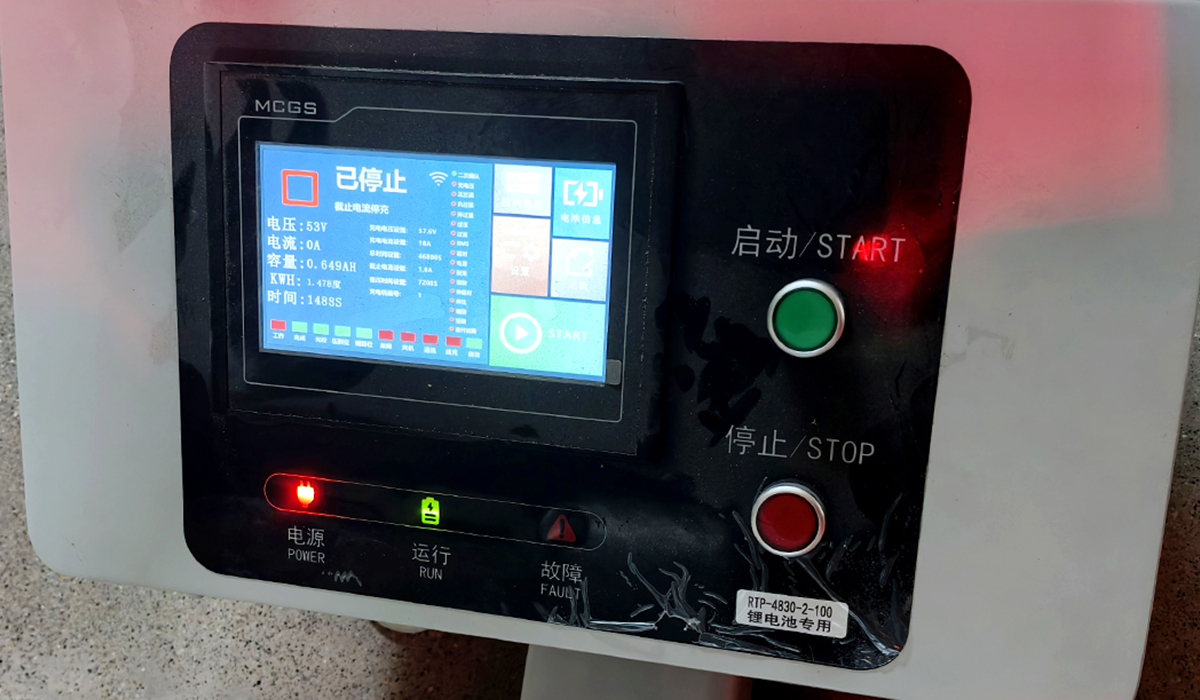
Factory Introduction
Optimize your warehouse and distribution efficiency with tailored intelligent logistics solutions from Duffy Machinery, a leading material handling specialist based in Fujian, China.Since our establishment in 2007, we have spent more than 10 years refining intelligent operational systems, with our core team offering 14 years of professional manufacturing experience for each customized project.
With a 35,000㎡ factory and 100+ skilled staff, Our factory is capable of producing 73,000 meters of roller conveyor lines and 2,000 incline conveyors annually; with a total of seven complete production lines, we ensure stable production and on-time delivery. We have obtained over 40 professional certifications and patents, including ISO9001, CE, EACC and national high-tech enterprise certification, which fully demonstrate our quality strength. Our solutions are widely recognized by global customers in the Middle East, South America, North America, Southeast Asia and other regions, supported by comprehensive after-sales service to ensure stable and efficient operation.
Factory Certificate
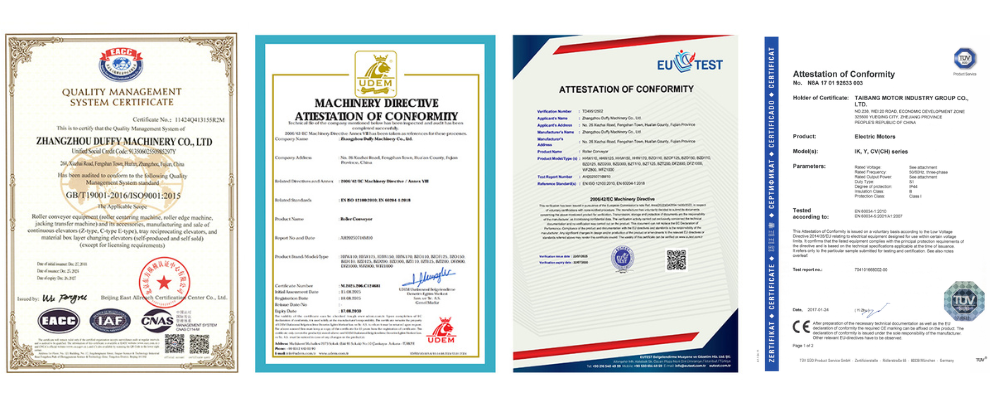
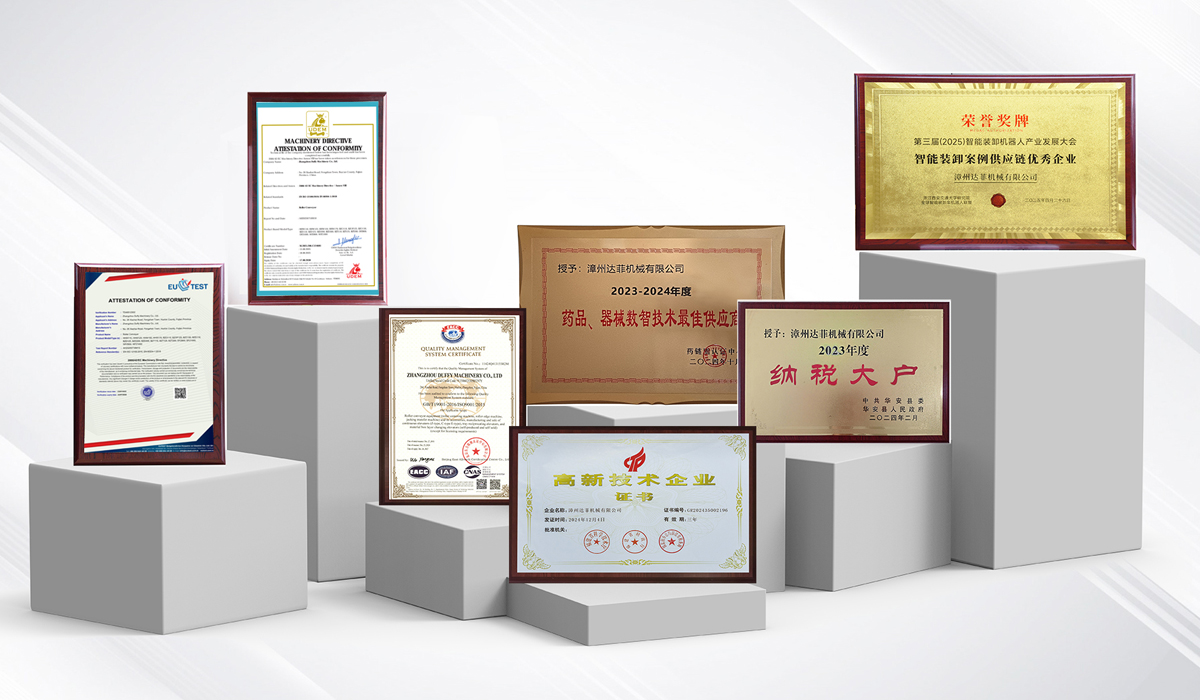
We're not just about providing top-notch hardware - we're about giving you complete peace of mind. With 42 prestigious industry certifications like ISO9001, CE, and EACC.
Customer concerns (FAQ)
Q1: How does the AGR-500 find its way? Is it necessary to make changes to the floors?
A: The AGR-500 is capable of navigation through SLAM (Simultaneous localization and mapping) or Natural Navigation, and it is based on very accurate LiDAR technology.
It creates a map of your warehouse by identifying existing physical structures, such as walls and racks. It does not require any magnetic strips, wires, or QR codes on your floor coverings, which means it can be easily introduced or pathways can be modified as your business expands.
Q2: What is the maximum lift height and weight capacity?
A: The typical AGR-500 is capable of carrying a load of 500kg (it is possible to customize the product as per customer desires). Using the telescoping mast, it can help you in high bay storage, as
depending on the rack height it can generally reach heights of 4.5 to 6 meters, thus facilitating the efficient placement of pallets in tall racking systems.
Q3: In what way does the AGV maintain the accuracy of a pallet placement at a high position?
A: Manual forklifts provide very limited visibility, for both the operator and the load, whereas the AGR-500 for instance uses fork-tip sensors combined with 3D vision systems.
It is able to identify the rack beams and the pallet pockets real-time. It makes very fine dimensional changes to the positioning to be able to align perfectly prior to extending the reach mechanism.
Q4: Is it possible for it to operate safely in narrow aisles with human workers?
A: Sure, it includes 360-degree safety laser scanning. Should an individual be found in its path or an obstacle, the AGV will either reduce its speed or completely stop its motion.
Separate pickups also detect overhead obstacles the AGV cannot see with its laser scanners, while the controls make it very clear to the staff the AGV's action in safety and emergency situations.
Q5: What will the system/software do after battery drain? Can it do the work with less power for some time?
A: It is as good as a human agent. Upon battery low, the AGV finds the charging station by itself. It supports "opportunity charging" that is charging the battery during breaks, therefore,
the AGV can operate 24/7 without any human intervention.
Q6: What type of pallets and racks can the AGR-500 handle?
A: It handles standard industrial pallets (e.g. GMA or Euro pallets) and is operable with standard selective racks and double-deep racking. The fork spacing and reach depth can be factory-configured to match your specific storage hardware.
Q7: How does it integrate with my existing warehouse software?
A: The system can orientate and integrate with your existing WMS (Warehouse Management System) or ERP (Enterprise Resource Planning) through a Fleet Management System. This central unit can be used for dispatching jobs, sending inventory updates, and coordinating other automated machinery, such as conveyors and vertical lifters, in real-time.
Q8: How long does it take to get the system running onsite?
A: The absence of physical floor markers keeps onsite installations very efficient. In most cases, initial environment mapping, safety zone set-up, and WMS integration will be achieved from 2 to 4 weeks depending on the warehouse layout and its complexity.