

Warehouse labor cost reduction strategies 2026?
Is the rising cost of labor in 2026 eating away at your warehouse margins? Relying on manual teams to move heavy boxes from deep inside trucks is no longer a sustainable business model for modern logistics.
To reduce warehouse labor costs in 2026, implement a combination of climbing conveyors and flexible roller lines. This integrated system extends directly into the truck, eliminating manual carrying and reducing the required unloading staff by 50% while doubling the speed of each cycle.
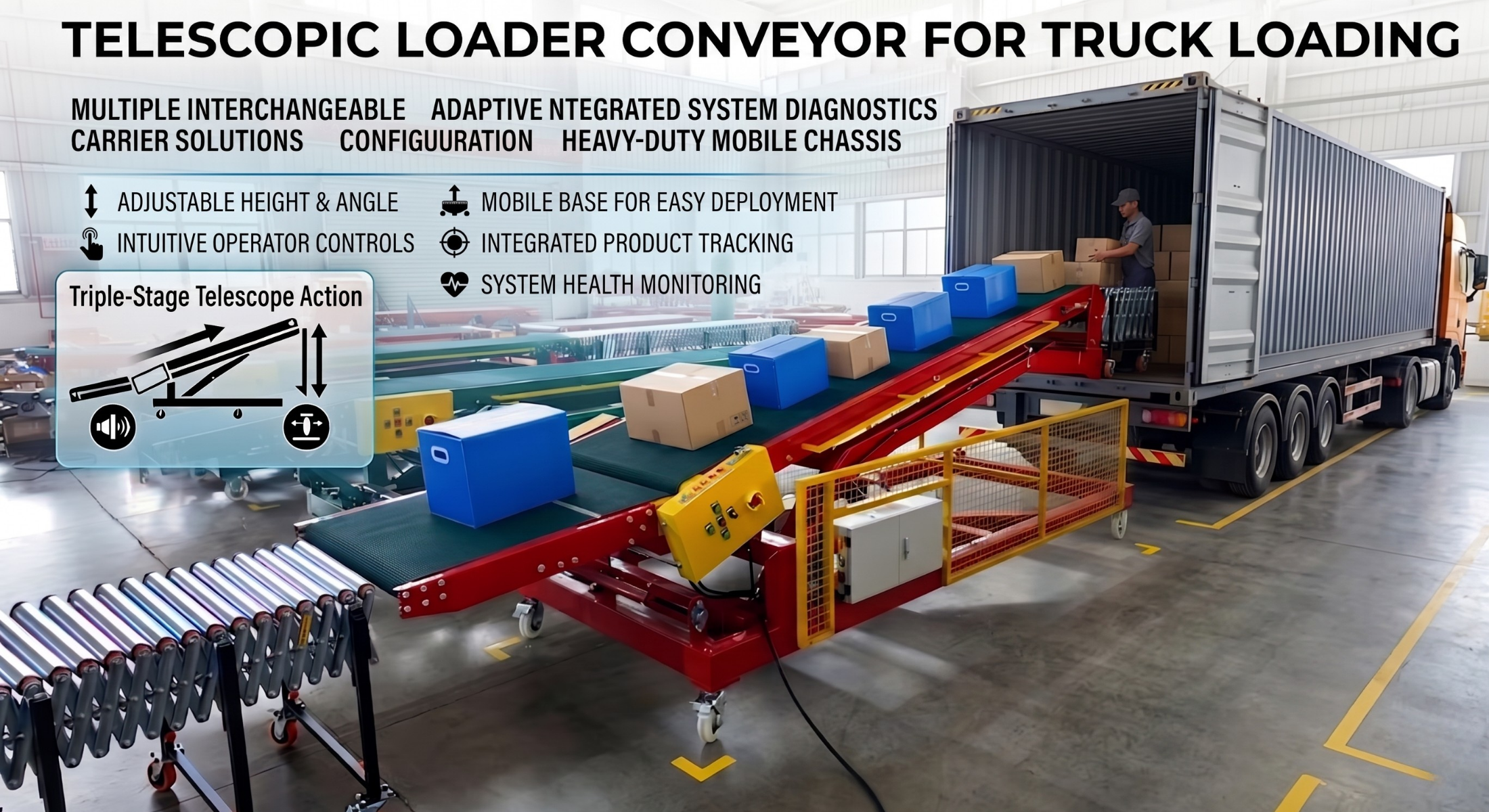
In my years of helping factories grow, I have noticed that the most expensive "product" in a warehouse is human walking time. When a worker has to carry a box from the front of a 40-foot container all the way to the dock, you are paying for movement, not productivity. In 2026, the strategy is simple: bring the machine to the work. By using a climbing conveyor paired with flexible rollers, you create a continuous bridge that reaches every corner of the vehicle. This change alone can turn a four-person job into a one-person task, and that is where the real savings begin.
Why are rollers for unloading trucks essential in 2026?
Are your workers still lifting and carrying every single parcel from the truck to the sorting area? This manual process is the primary cause of high turnover and expensive workplace injuries in the current labor market.
Rollers for unloading trucks create a low-friction path that allows gravity or light manual force to move goods. In 2026, these rollers act as the "flexible spine" of your dock, stretching and bending to reach wherever the cargo is stacked.
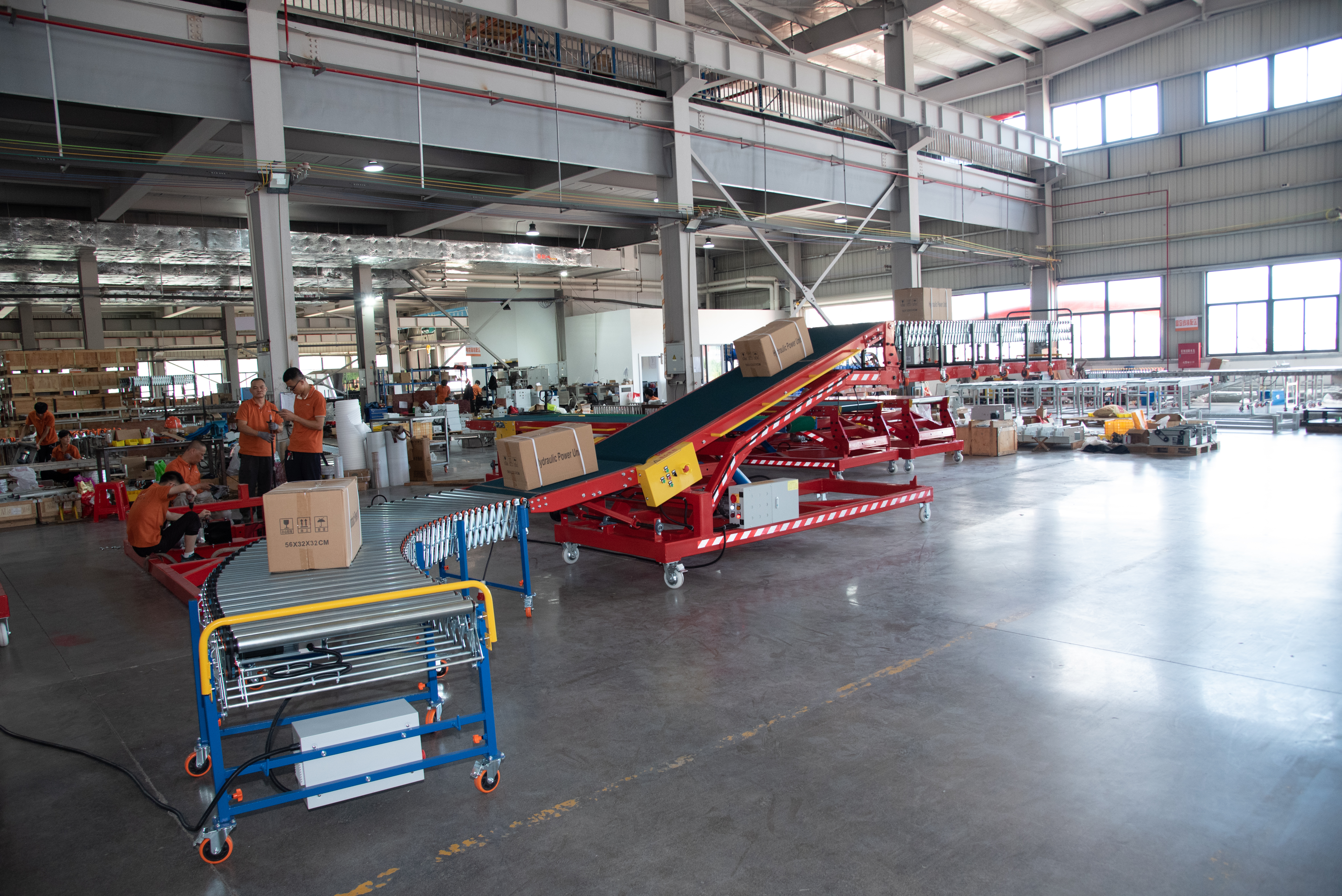
I often tell our clients that if a box touches the floor, you have already lost money. Our modular rollers are designed to be an extension of the climbing conveyor, meaning they can snake deep into the trailer. Because these rollers can be placed exactly where the user needs them, the worker only has to move the box a few inches from the stack onto the line. This setup significantly reduces physical fatigue. In our Fujian factory, we focus on making these rollers durable yet easy to move. When your team sees that the hard work is being done by the equipment, their morale improves and your "non-value travel time" drops to nearly zero.
How does a telescopic loader conveyor for truck loading save time?
Does your loading process slow down because the conveyor can't reach the back of the truck? Constant stopping to move heavy equipment in and out of the loading zone creates massive bottlenecks in your daily schedule.
A telescopic loader conveyor for truck loading provides a powered, extendable reach that grows with your needs. It allows for a seamless connection from your warehouse sortation system directly to the person stacking the goods inside the vehicle.
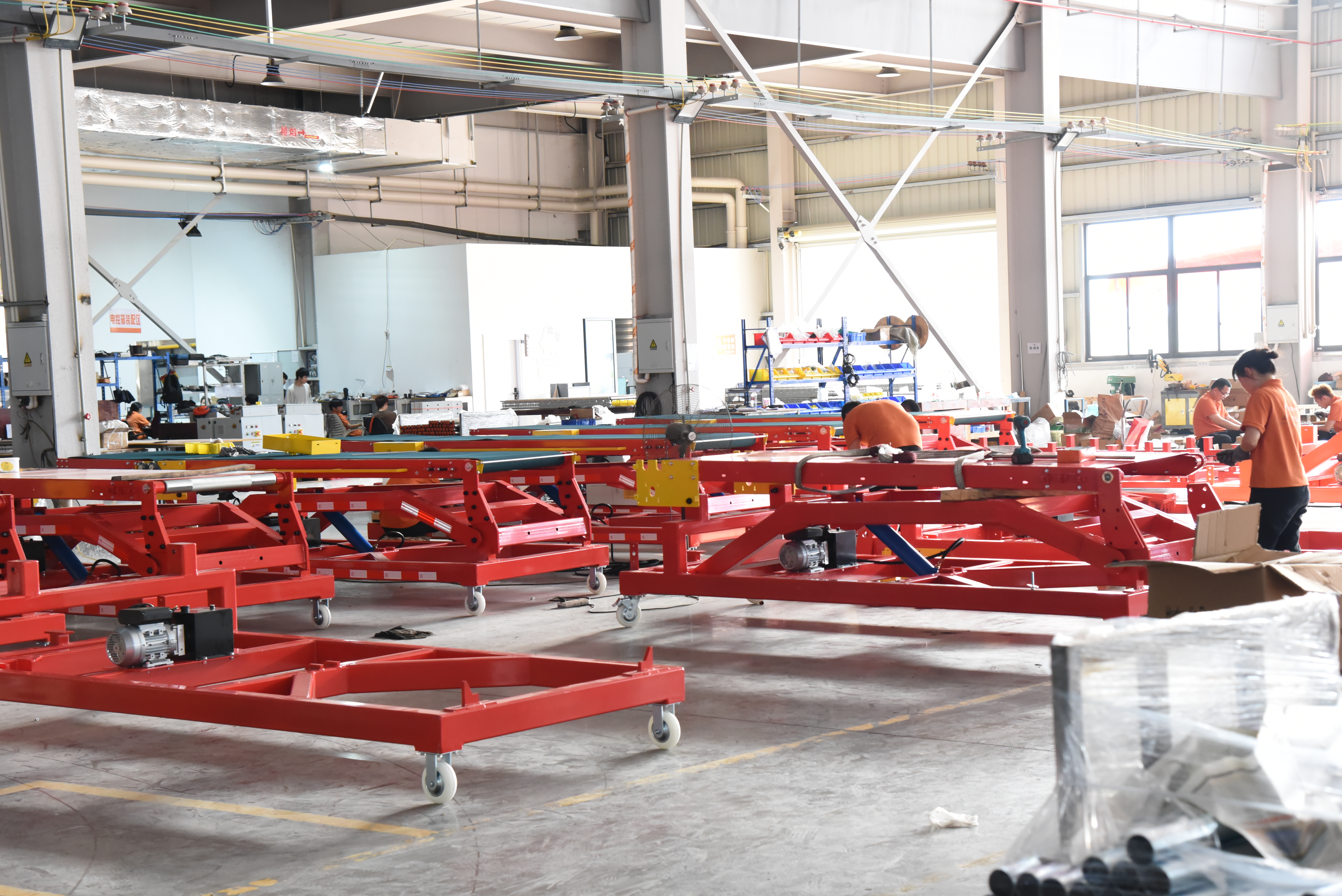
Efficiency in 2026 is all about the "flow." When we build a telescopic system, the goal is to make sure the operator never has to wait for a package. The conveyor body retracts or extends with a simple push of a button. We have seen that combining this with a climbing conveyor allows you to handle height changes and depth changes simultaneously. This is a game-changer for high-volume 3PL and e-commerce centers. Instead of struggling with heavy ramps, your team can focus on "precision stacking," which maximizes your truck space. By speeding up the loading time, you get more trucks out of the dock every day, which directly lowers your cost per shipped unit.
What makes a loading unloading conveyor the best investment for 2026?
Are you struggling to justify the cost of new equipment when labor is already expensive? Many managers fear the initial price tag, but they ignore the hidden costs of slow operations, late fees, and damaged goods.
A loading unloading conveyor is a high-ROI tool because it addresses the three biggest warehouse expenses: labor, time, and damage. It provides a stable, controlled environment for goods to move, ensuring 24/7 reliability without the need for breaks.
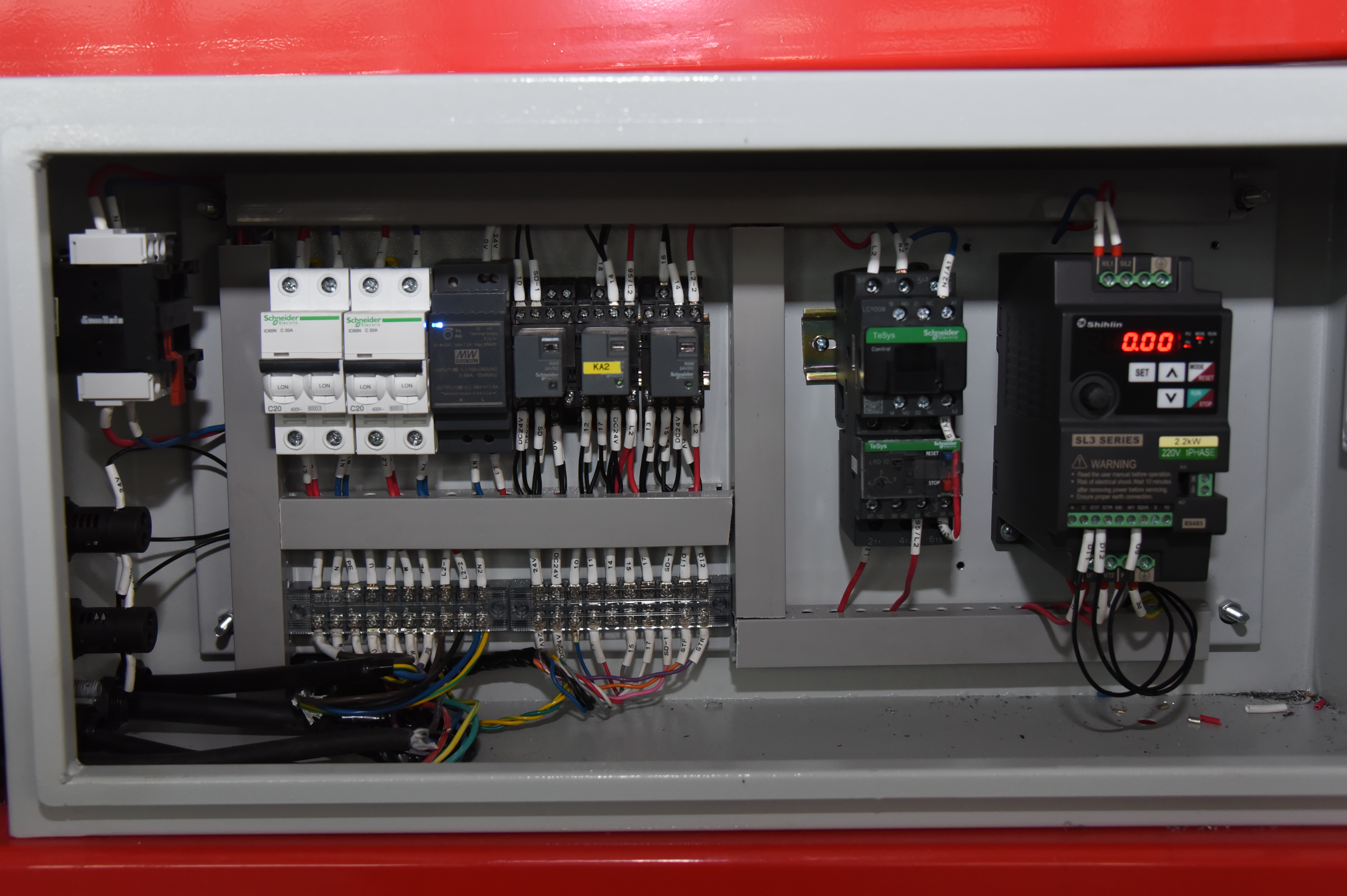
In my experience, the smartest warehouse managers in 2026 are looking at the "total cost of ownership." A manual dock is unpredictable, but a loading unloading conveyor is a fixed asset that delivers consistent results. At Duffy Machinery, we design these systems to be flexible—the starting point of the transport can be placed wherever the user needs it. This means you can adapt the layout for different types of cargo or truck sizes on the fly. Whether you are dealing with medical supplies or consumer electronics, a controlled mechanical flow prevents the "bumping and dropping" that happens with tired hands. By investing in this technology, you are not just buying a machine; you are building a future-proof logistics strategy.
Continue the Technical Dialogue
The conversations started in Duffy do not need to end. Contact our engineering team for detailed specifications for the transport system best suited to your needs, or discuss your specific requirements for a customized transport system.
