

How to speed up container unloading process?
Is slow container unloading killing your profit margins and exhausting your warehouse team? Manual unloading is a bottleneck that creates safety risks and delays your entire distribution cycle.
To speed up the container unloading process, you should implement an automated loading and unloading conveyor system. Using tools like telescopic conveyors or climbing conveyors reduces manual lifting, minimizes walking distance, and allows a single operator to move up to 60kg per item continuously.
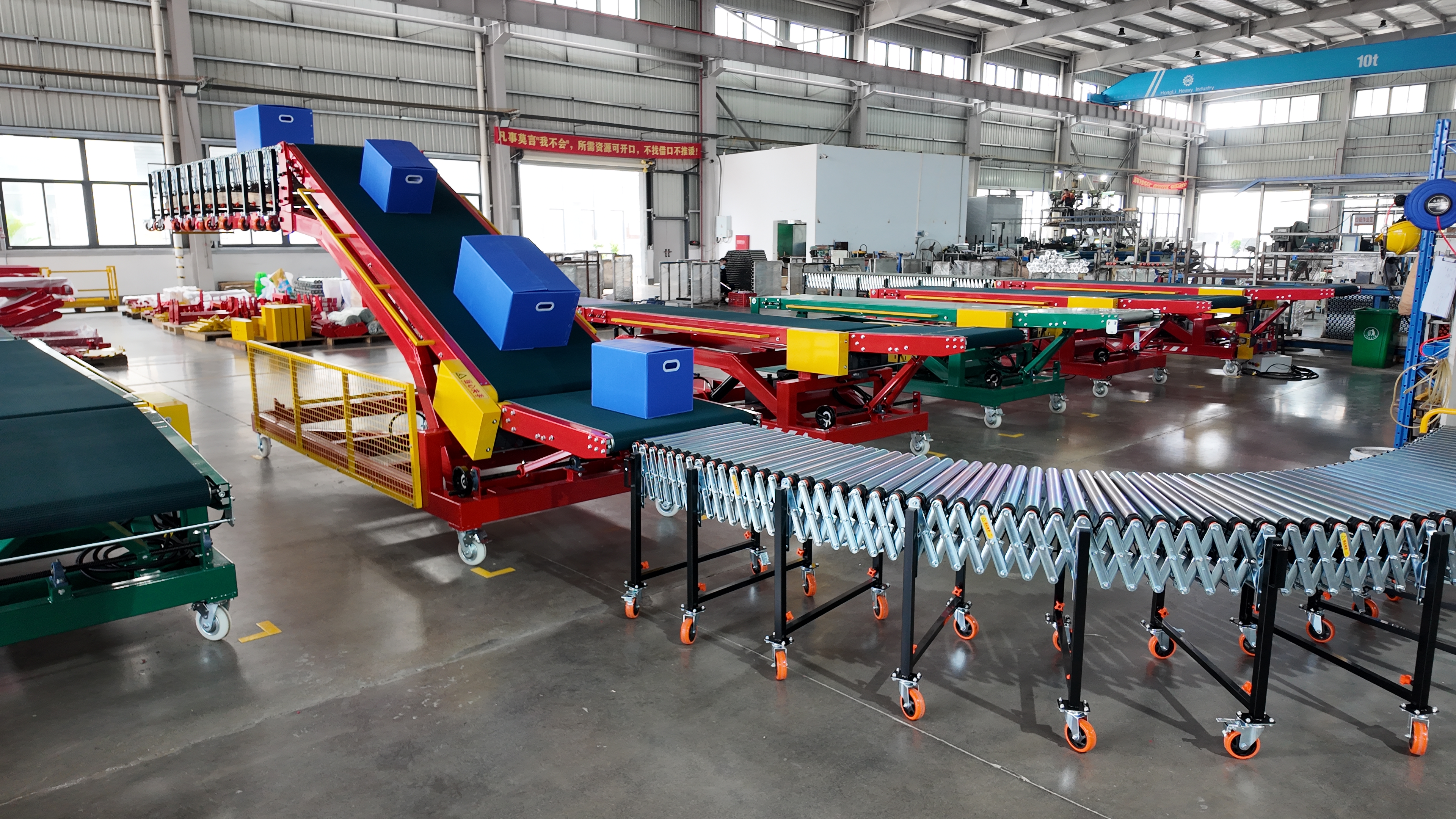
I remember walking through our workshop and seeing how much energy it takes to move goods by hand. It is not just about speed; it is about the health of the people doing the work. When we designed our first climbing conveyor, we focused on making the transition from the container floor to the warehouse level seamless. This shift from manual carrying to a steady flow of goods transforms a chaotic dock into a high-efficiency zone. Let me show you how these specific tools change the game.
Why choose a specialized loading unloading conveyor system?
Are you still relying on a chain of people to move boxes one by one? This method is slow, leads to frequent package damage, and causes physical strain that results in high staff turnover.
A loading unloading conveyor system automates the path between the truck and the warehouse. It uses motorized rollers or belts to maintain a constant speed, ensuring that the unloading pace is dictated by the machine rather than human fatigue.
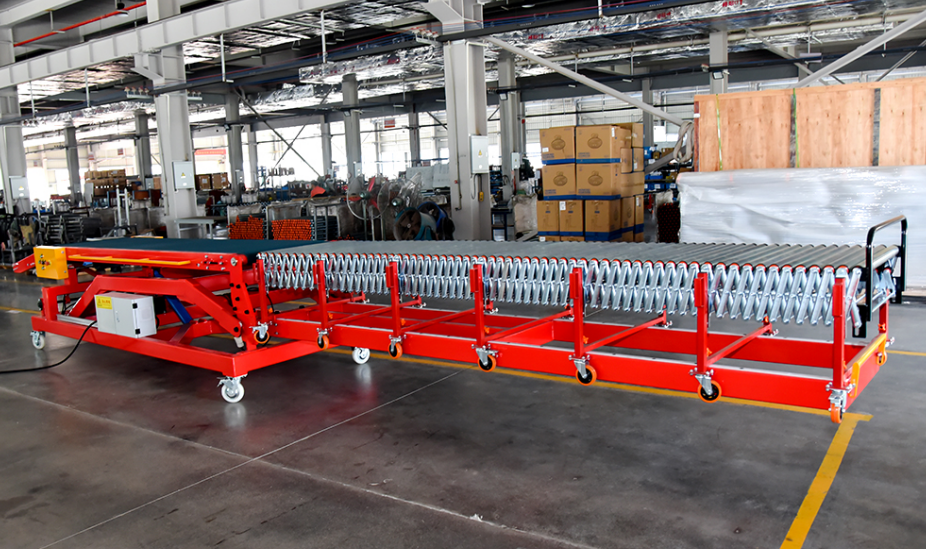
In my 14 years of manufacturing experience, I have seen that the biggest waste in a warehouse is "empty walking." This happens when workers walk back and forth inside a long container. A dedicated system brings the "end" of the conveyor right to the face of the cargo. As the container empties, you simply extend the conveyor further inside. This means your team stays in one spot and focuses only on placing items on the belt. We build these systems to handle 50-60kg easily, which covers almost everything from retail goods to heavy parts. By removing the need to carry weight over long distances, you double your speed while keeping your workers fresh and safe from back injuries.
How does a climbing conveyor solve height differences?
Does your warehouse floor sit at a different height than the container bed, making it hard to bridge the gap? Moving heavy goods up or down an incline manually is the most dangerous part of the unloading process.
A climbing conveyor, also known as an incline conveyor, uses a high-friction belt and adjustable height settings to move goods between different levels. It can adjust from 1 to 1.7 meters to match various truck heights perfectly.
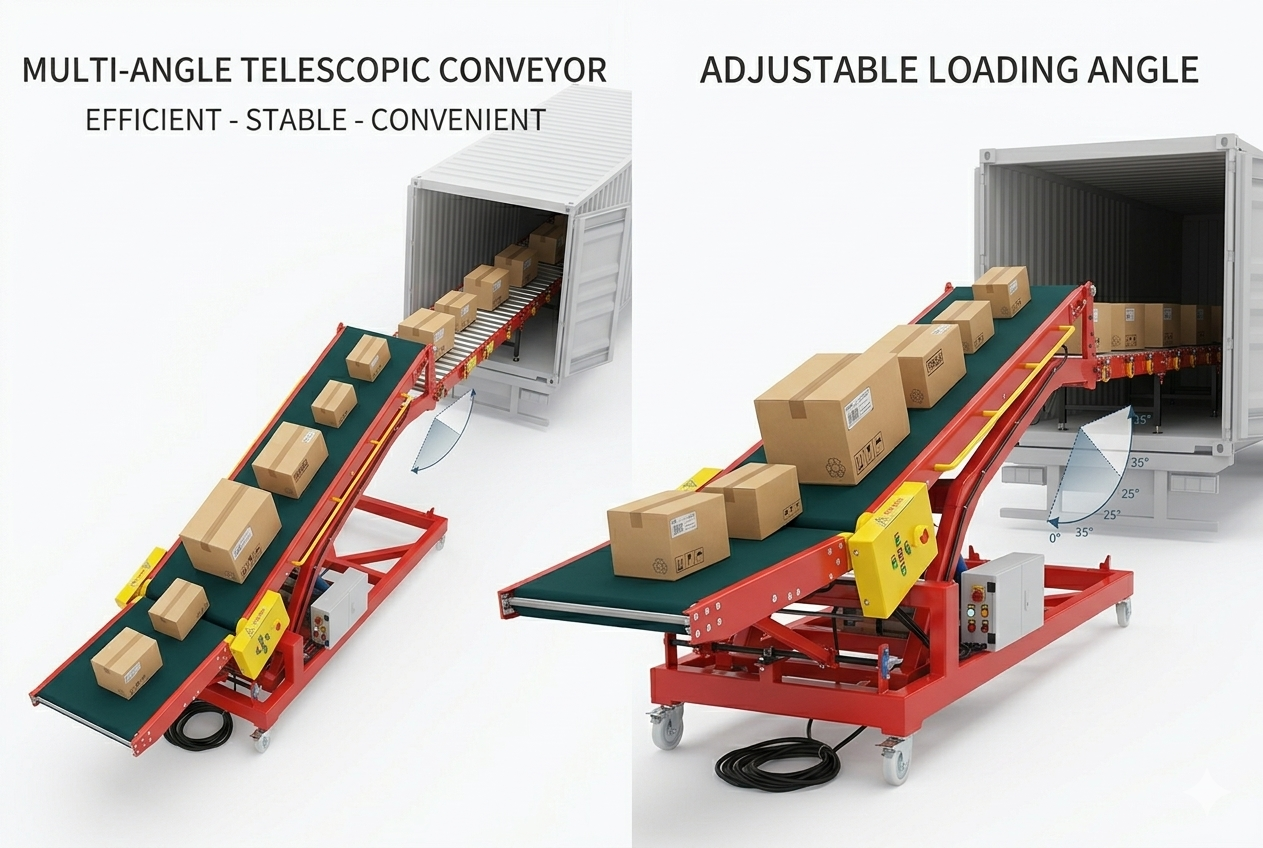
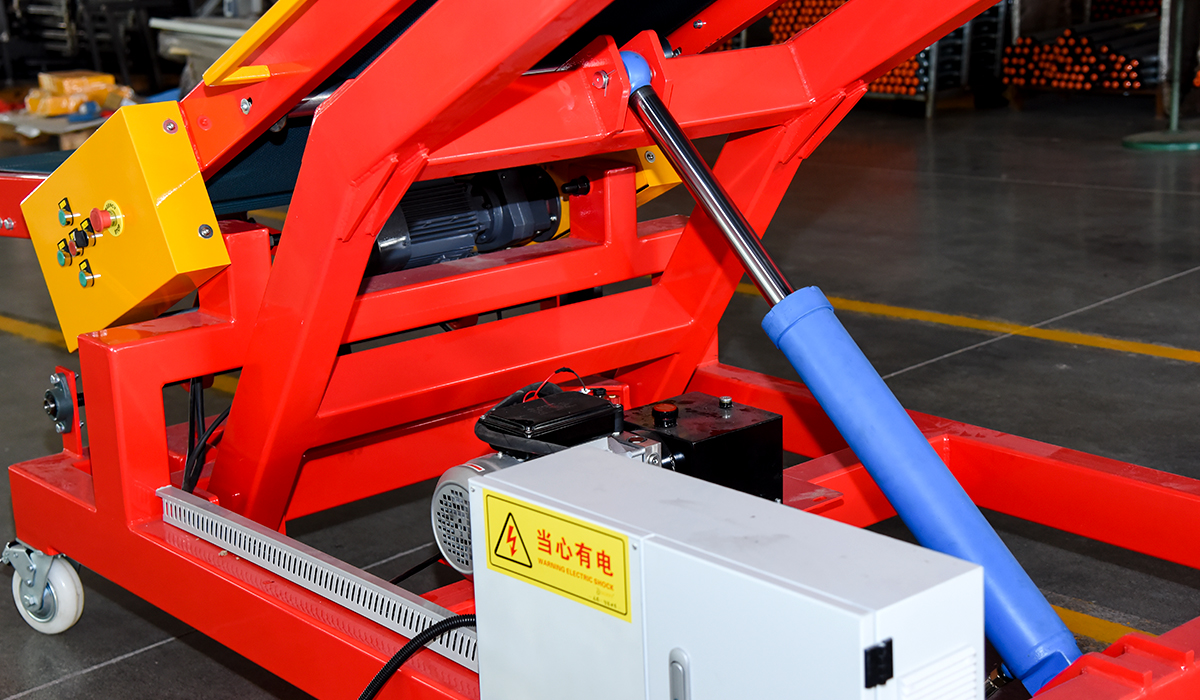
When I visit our customers like JD.com or SF Express, I see our climbing conveyors in constant use. The magic is in the adjustability. Not every truck is the same height, and a fixed ramp is often too steep or too shallow. Our climbing conveyors use a robust lift mechanism so you can line it up exactly with the container floor. We use special belts that "grip" the packages so they do not slide backward, even at a steep angle. This is critical for industries like food processing or electronics where a fall could ruin the product. By using a powered incline, you use gravity and motors to do the hard work. This keeps the flow of goods steady and prevents the "logjam" that usually happens at the edge of the shipping dock.
Can a container unloading conveyor improve your bottom line?
Are you worried about the initial cost of automation versus the long-term savings? High labor costs and "demurrage" fees for keeping containers too long at your dock can quickly drain your budget.
A container unloading conveyor reduces the number of workers needed for a single truck by 50%. By cutting unloading time in half, you avoid late fees and allow your facility to process more shipments per day.
At Duffy Machinery, we believe in "Altruism," which means we want our equipment to create real wealth for you. When you use a specialized unloading conveyor, you are not just buying metal and rollers; you are buying time. For example, if it normally takes four people three hours to unload a 40-foot container, our system can often do it with two people in ninety minutes. Over a year, those saved man-hours pay for the machine many times over. Also, because the movement is smooth and controlled, the "oops" moments where a box is dropped are almost gone. This is why many of our clients in the pharmaceutical and tobacco industries insist on these systems. They cannot afford damaged goods or slow shipments. Investing in the right conveyor is the fastest way to turn your logistics department from a cost center into a competitive advantage.
Continue the Technical Dialogue
The conversations started in Duffy do not need to end. Contact our engineering team for detailed specifications for the transport system best suited to your needs, or discuss your specific requirements for a customized transport system.
