

Top logistics bottlenecks in pharmaceutical and e-commerce warehouses?
Are slow shipments hurting your business? Bottlenecks cause delays and lose customers. I will show you how smart tools like conveyors fix these problems and speed up your workflow.
The biggest logistics bottlenecks in pharmaceutical and e-commerce warehouses are slow manual truck loading, inefficient vertical transport of goods, and sorting errors. Upgrading to automated systems like extendable truck loaders and climbing conveyors solves these issues, ensuring fast, safe, and compliant delivery.
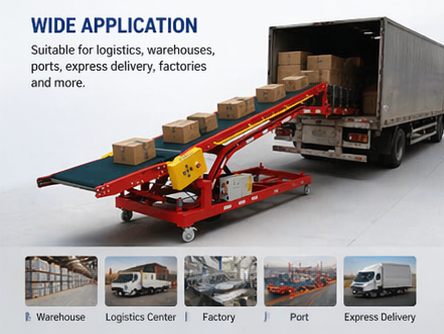
You might think adding a few more workers will solve your delay problems. But throwing manual labor at a growing order volume only hides the real issue. Let me break down exactly where your warehouse is losing time and how to fix it right now.
How do manual loading and unloading slow down e-commerce logistics?
Manual loading takes hours and tires out your team. This leads to costly shipping delays. You need a fast, automated way to move boxes into trucks.
Manual loading slows down e-commerce logistics because it limits how many boxes a worker can handle per minute. Workers get tired, leading to dropped items and slower throughput. A telescopic conveyor speeds up this process by bringing the drop-off point right to the worker inside the truck.
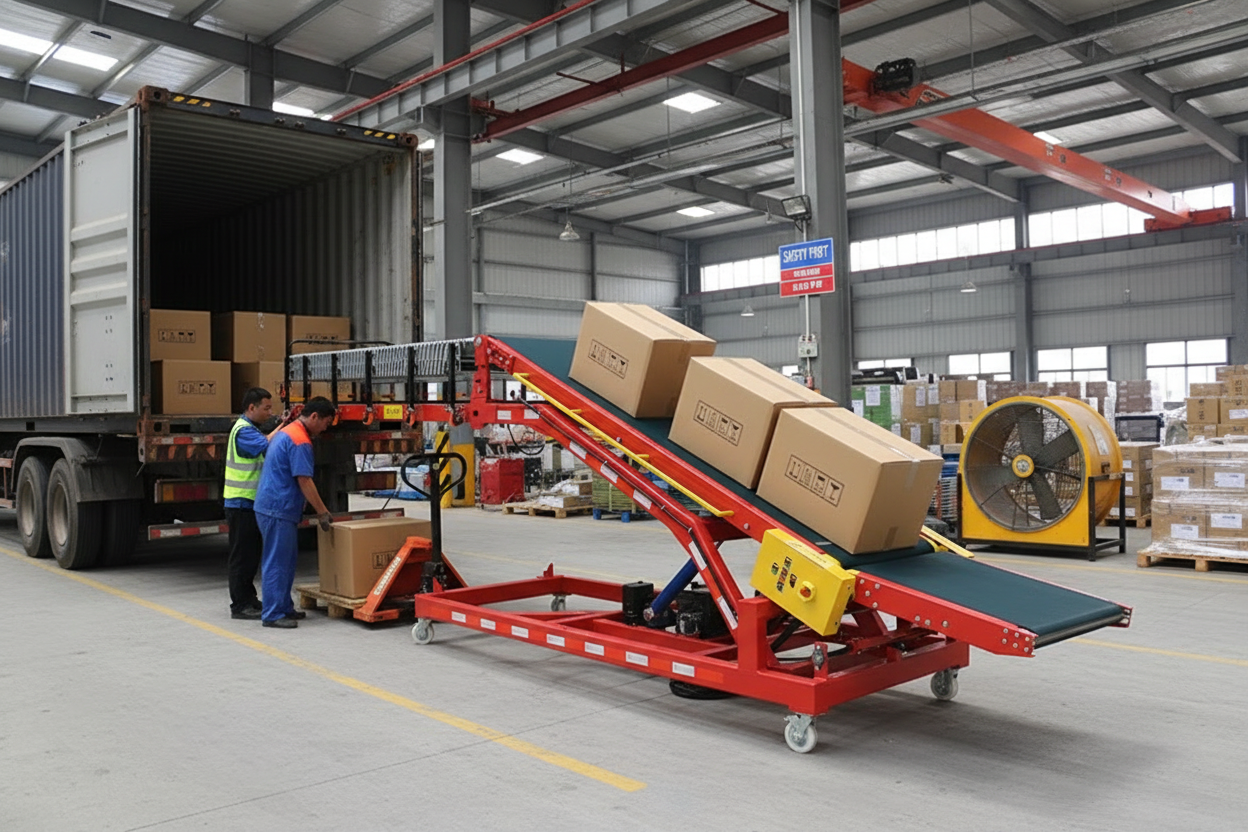
When I visit e-commerce fulfillment centers, the shipping dock is always the worst spot. I see workers carrying heavy boxes back and forth. This is a huge waste of time. To solve this, you need a telescopic conveyor or an extendable truck loader. These machines stretch deep into the trailer. The worker just stands at the end and guides the boxes. It is like having a moving bridge.
The impact of automated loading
Using a loading conveyor reduces walking time to zero. Your team does not get tired as fast. This means they can load more trucks in a single shift. During peak shopping seasons, this speed is vital. Many managers also use boom conveyors for longer trailers. These tools are flexible and can retract when the truck is full. In my experience, replacing manual steps with a simple conveyor belt system cuts loading times in half. It is a simple change that makes a massive difference in daily output. When you use these tools, your warehouse becomes a safer place to work. Workers are happy, and your packages ship out much faster.
Why is vertical transport a major bottleneck in pharmaceutical warehouses?
Moving medicine boxes safely is hard. Dropping them ruins the product and breaks strict rules. You need a smooth and reliable way to lift goods from the floor.
Vertical transport is a bottleneck in pharmaceutical warehouses because medicine requires gentle, fast handling to meet safety rules. Manual lifting is risky and slow. A climbing conveyor smoothly moves boxes straight from the floor directly into trucks, reducing damage risk and ensuring compliance with medical logistics standards.
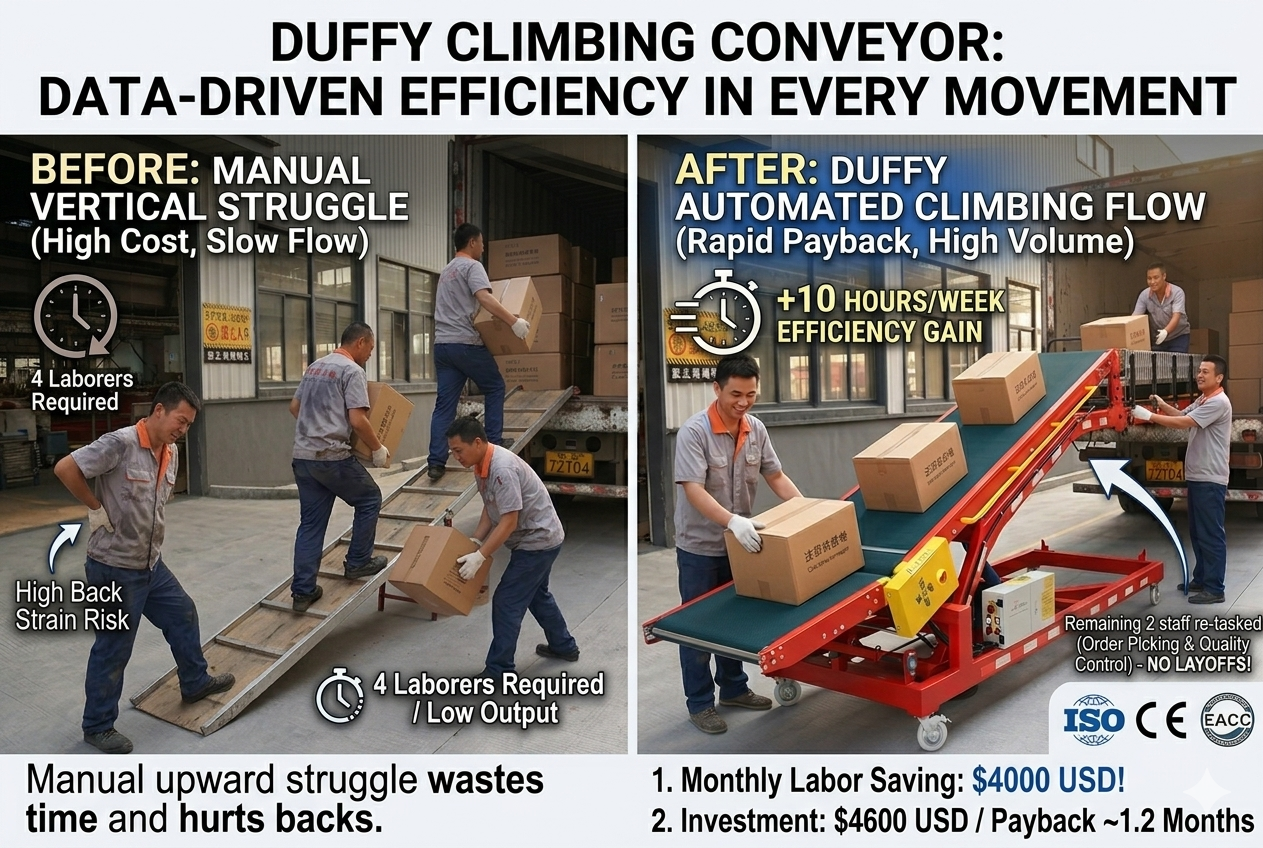
Pharmaceutical products are very sensitive. They often have strict handling rules. If a box falls, you lose a lot of money. The biggest problem I see is moving these boxes from the ground up to the shipping level. The best fix for this is a Climbing Conveyor.
Moving from the floor to the truck
I always tell my clients that the end of the climbing machine needs to be a truck. You use a Mobile loading conveyor to transport goods from the floor directly into trucks. This skips the need for forklifts or carrying boxes up stairs. It is much safer for the medicine. As an unloading conveyor, it works in reverse just as well. We recently helped a medical warehouse in Bozhou set this up. They stopped breaking items completely. The conveyor belt grips the boxes tight. This smooth motion is exactly what strict pharmaceutical rules require. We know that safety is your top goal. Using the right equipment guarantees that your medicine products stay safe from the moment they leave your storage racks until they are packed into the transport vehicle.
How can poor sorting speed ruin your fulfillment process?
Sorting packages by hand causes too many mistakes. Wrong deliveries make your customers very angry. Automated sorting stops these errors and gets orders out on time.
Poor sorting speed ruins fulfillment because it causes order backlogs and shipping errors. When workers read labels manually, mistakes happen. Automated sorting machines scan, weigh, and direct packages instantly. This keeps the whole line moving fast and ensures every package goes to the correct delivery truck.
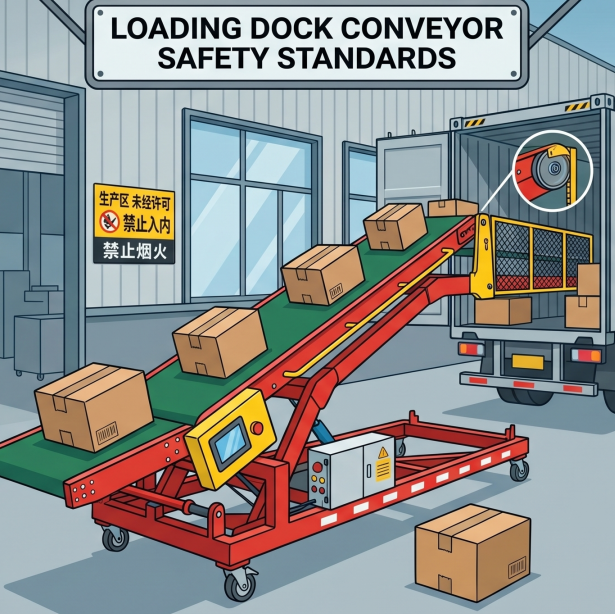
At our factory, we know that building a good conveyor belt is only the first step. If the items pile up at the end of the line, your fast loading speed means nothing. I have seen warehouses with great telescopic conveyor setups fail because they could not sort boxes fast enough.
Connecting sorting to loading
You must match your sorting speed to your loading speed. If you use an extendable truck loader, your sorting machine must feed it non-stop. We build our systems to work together. The boxes leave the sorting area and go straight onto the loading conveyor. There are no stops in between. This is the only way to handle huge e-commerce events. When every second counts, a steady flow of sorted boxes keeps the trucks leaving on time. You remove the human error of reading labels. The entire operation becomes smooth, quiet, and incredibly efficient. When you fix the sorting speed, you fix the whole warehouse. Your customers get their items on time, and your business grows without any extra stress.